Overview
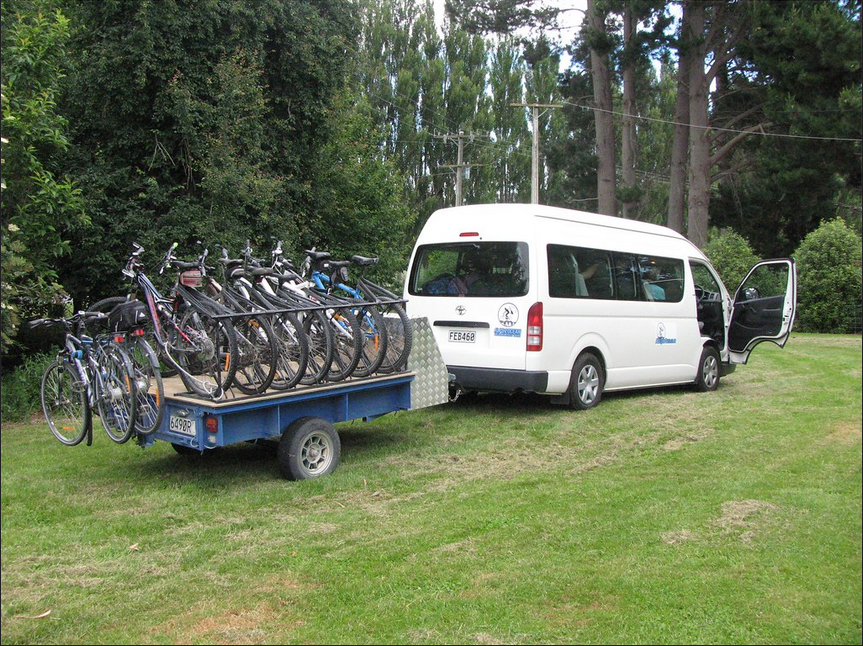
Towing a one-way trailer can be a smooth experience if you prepare properly and stay alert throughout your trip. If you’re moving house or simply transporting goods and delivering equipment, a few important habits can make the difference between a calm journey and a stressful one. Safety starts long before you get on the road.
Check Your Vehicle and Trailer Compatibility
Before hitching up, confirm that your vehicle can handle the trailer’s weight. The towing capacity listed in your owner’s manual is your baseline and you should never exceed it.
Check the towbar rating and make sure the hitch is securely locked and cross the safety chains beneath the coupling.
A quick light check (brakes, indicators, and tail lamps) should follow before departure.
Distribute Weight Evenly
An unbalanced trailer can sway dangerously, especially at higher speeds. Load heavier items over the axle and secure everything tightly to prevent shifting.
If the front end dips too low or the rear sags, you’ll feel it in the steering. Aim for even weight distribution to keep the trailer tracking straight behind you.
Adjust Your Driving Style
Towing changes your vehicle’s dynamics. Acceleration slows while braking distances increase, and corners require wider turns. Drive steadily while avoiding sudden manoeuvres or heavy braking.
Keep your speed moderate and leave extra space between you and the vehicle ahead. When descending steep hills be sure to downshift instead of relying on the brakes alone to maintain control.
Mind the Mirrors and Blind Spots
Proper visibility is essential when towing. Fit extension mirrors if needed and check them regularly for swaying or vehicles behind you.
Blind spots expand with a trailer, so signal early and double-check before changing lanes or overtaking. The more aware you are of your surroundings, the safer your trip will be.
Plan Rest Stops and Route Ahead
Fatigue sets in faster when towing. Schedule breaks every two hours to stretch and inspect your setup. Plan your route around low bridges, narrow roads, and sharp bends that might challenge longer trailers. If you’re returning without the trailer, note where to drop it safely and legally.
Final Thoughts
A one-way tow involves getting from A to B and getting there confidently. With careful preparation and steady attention, you can be sure that both your vehicle and trailer reach their destination safely, ready for the next journey ahead.